
As a person from Vietnam’s central highlands, I grew up with robusta and some catimor on my parents’ farm. In my hometown, the idea of coffee is rather simple: it can be someone’s entire life.

The New Year begins with the white coffee flowers blooming across the red basalt plateau. All year round, the work never stops. Farmers are busy watering the trees, mounding soil around the roots, pruning branches, weeding the fields, and manuring…

When winter comes, the coffee berries ripen red on the branches. This is the most beautiful time of the year. The sky stretches high and clear, the sun burns bright yellow, and the air carries a crisp chill. Farmers are filled with a bustling, excited, and cheerful mood because a year’s hard work is finally about to pay off. The most common processing method here is natural, where people harvest the red coffee cherries and dry them under the sun. In the vast agricultural area, drying yards are full of coffee. People set up temporary tents to guard their harvest.
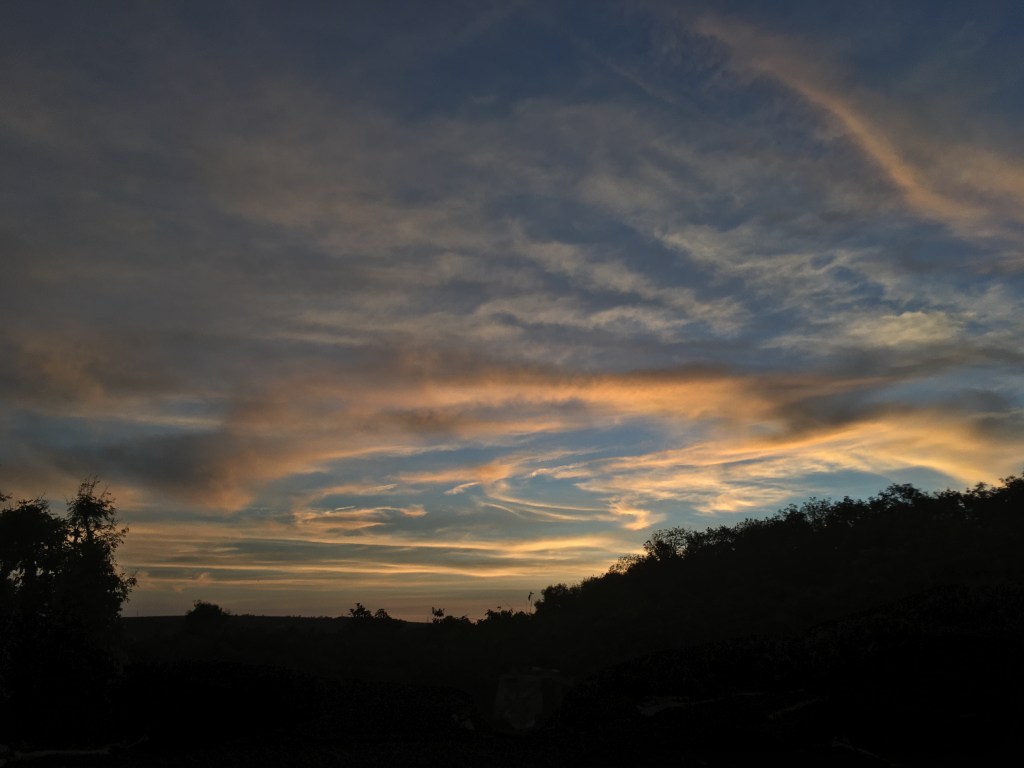
On cold, frosty nights in the highlands, on these drying yards, people gather around bonfires lit with dry coffee branches. They grill meat, sing karaoke, eat, drink, chat with each other, or simply enjoy the serenity of the highland night. Small dogs accompany their owners to protect the family’s property.

After all the coffee has dried, the next step is peeling, removing the outer shells to get the beans inside. These cascara are then fermented to make fertilizer for the coffee trees. A cycle closes. The farmer clears everything on the farm and heads home for the New Year holiday. After that, a new cycle begins. Season after season, people are born, grow up, and age on coffee farms. An entire agricultural ecosystem develops around the coffee tree.
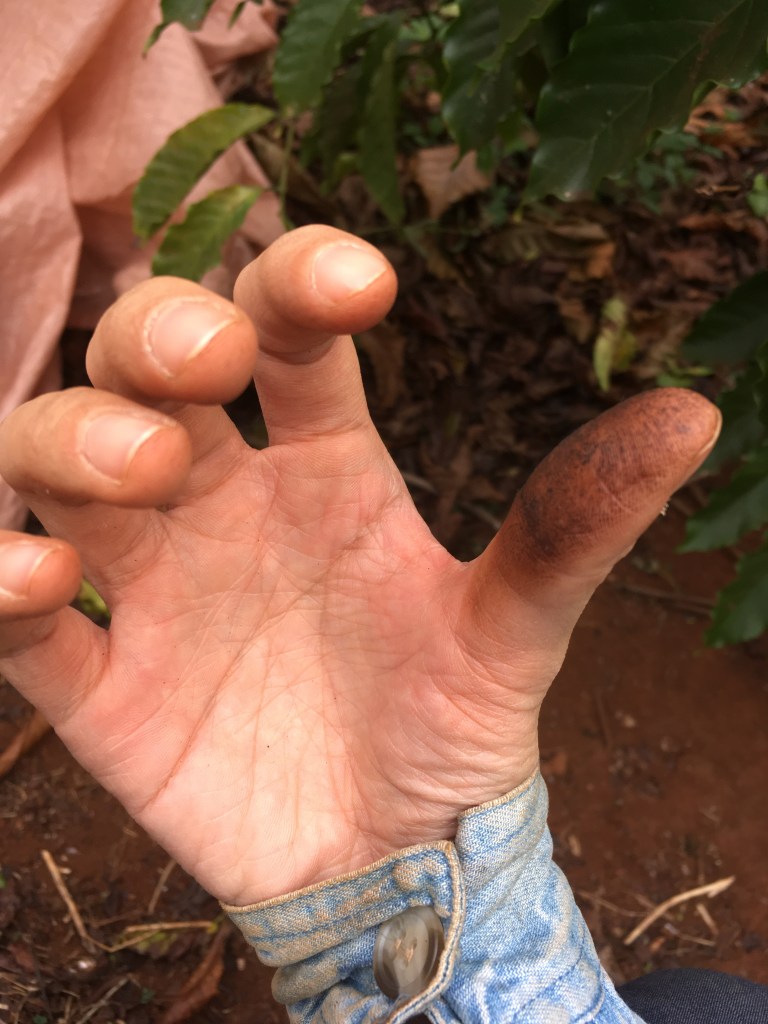
I grew up as a farmers’ child, helping my parents with small tasks like pruning and harvesting. My hands would turn brown with coffee resin, a stain that seeped through my gloves. This small inconvenience was a lesson that helped me feel the true weight of my parents’ labor in every single coffee bean, imbuing every sip of coffee I take with deeper meaning.


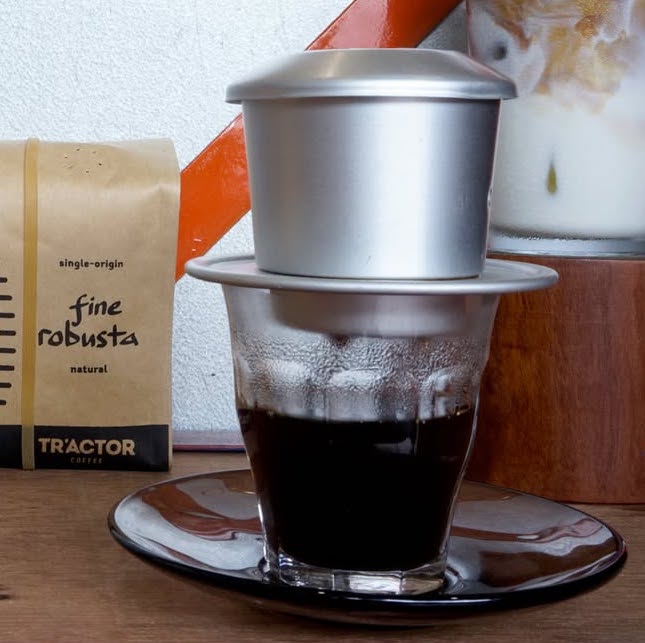
On the central highlands, people only drink robusta. Early in the morning, they wake up with a phin of thick, hot, black coffee, slowly dripping drop by drop. It’s strong and gives people a jolt of energy to endure a long day of labor and hardship. Some say robusta is too strong, its caffeine a bitter punch, but to the men and women of this land, it is nothing compared to the endurance forged by life itself. They are all strong.

Condensed milk is a perfect match for robusta coffee. Its thickness and sweetness can soften the bitterness of the black coffee, and its creamy taste complements the earthy, woody, and often nutty or chocolatey notes. As someone who grew up here, to me, the smell of dark-roast robusta, in which roasters often add butter, chicken fat, and Vietnamese white liquor, is the authentic smell of coffee.
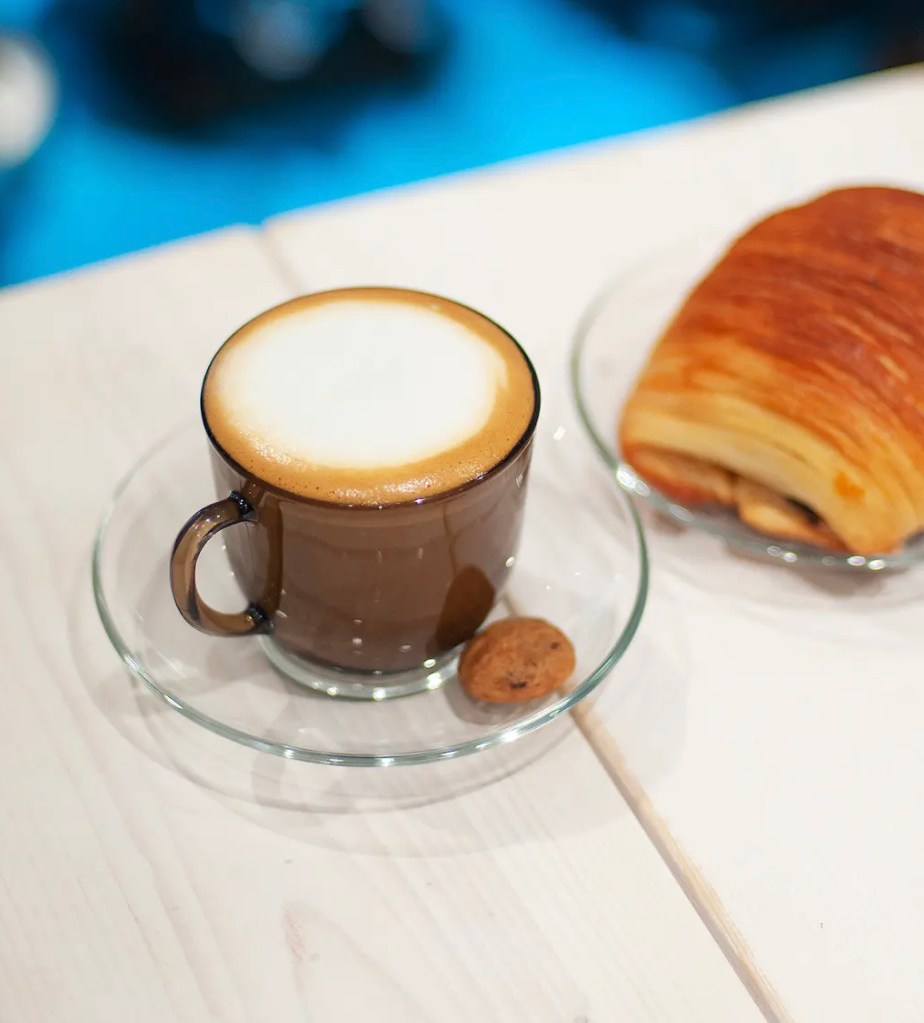
When the concept of specialty coffee was brought to Vietnam, I was confused. Why did people address robusta’s earthy, woody, and nutty notes – which I hold so dear – as negative? Why do they care so much about the delicate aromas of flowers and fruits and the sophisticated acidity in arabica, but neglect the body and sweetness of robusta?
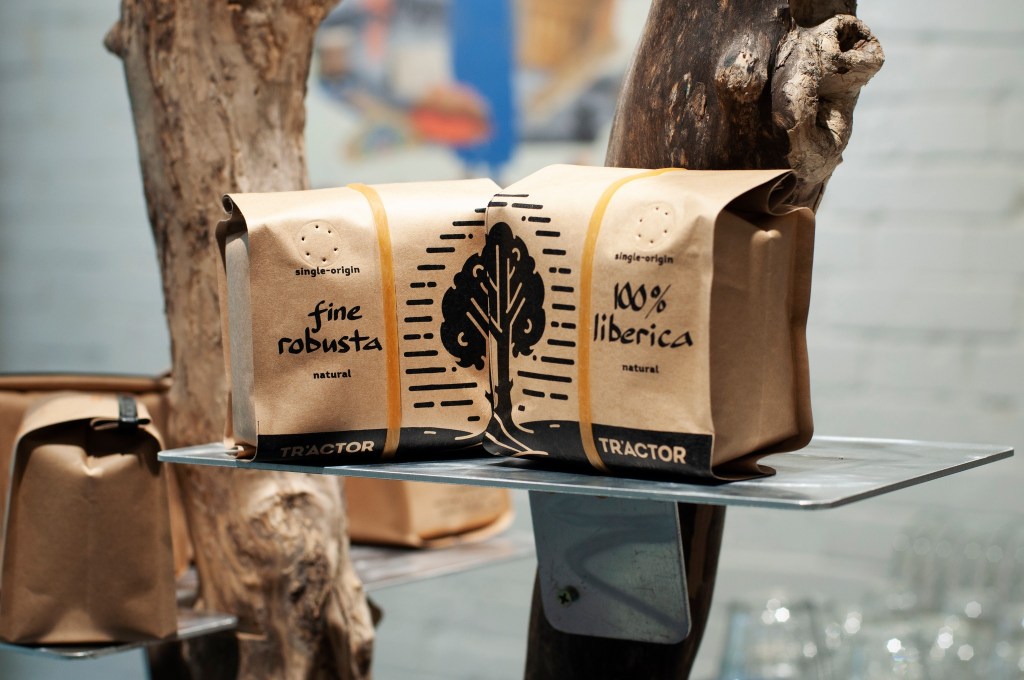
I believe many people in the world hold a similar affection for robusta—it’s a taste that’s both deeply personal and a symbol of boldness, vividness, and the authentic, hard-earned parts of life. In the endless conversations about ‘specialty coffee,’ robusta is often unintentionally given negative connotations, yet they are two fundamentally different and incomparable types of coffee. I hope that one day, the world will look at robusta in a different light and love it as I do: not for being ‘special,’ but for being a familiar comfort – ubiquitous yet authentic, affectionate and full of life.

 a boutique coffee roasting house<br>rooted in saigon - since 2012
Leave a comment